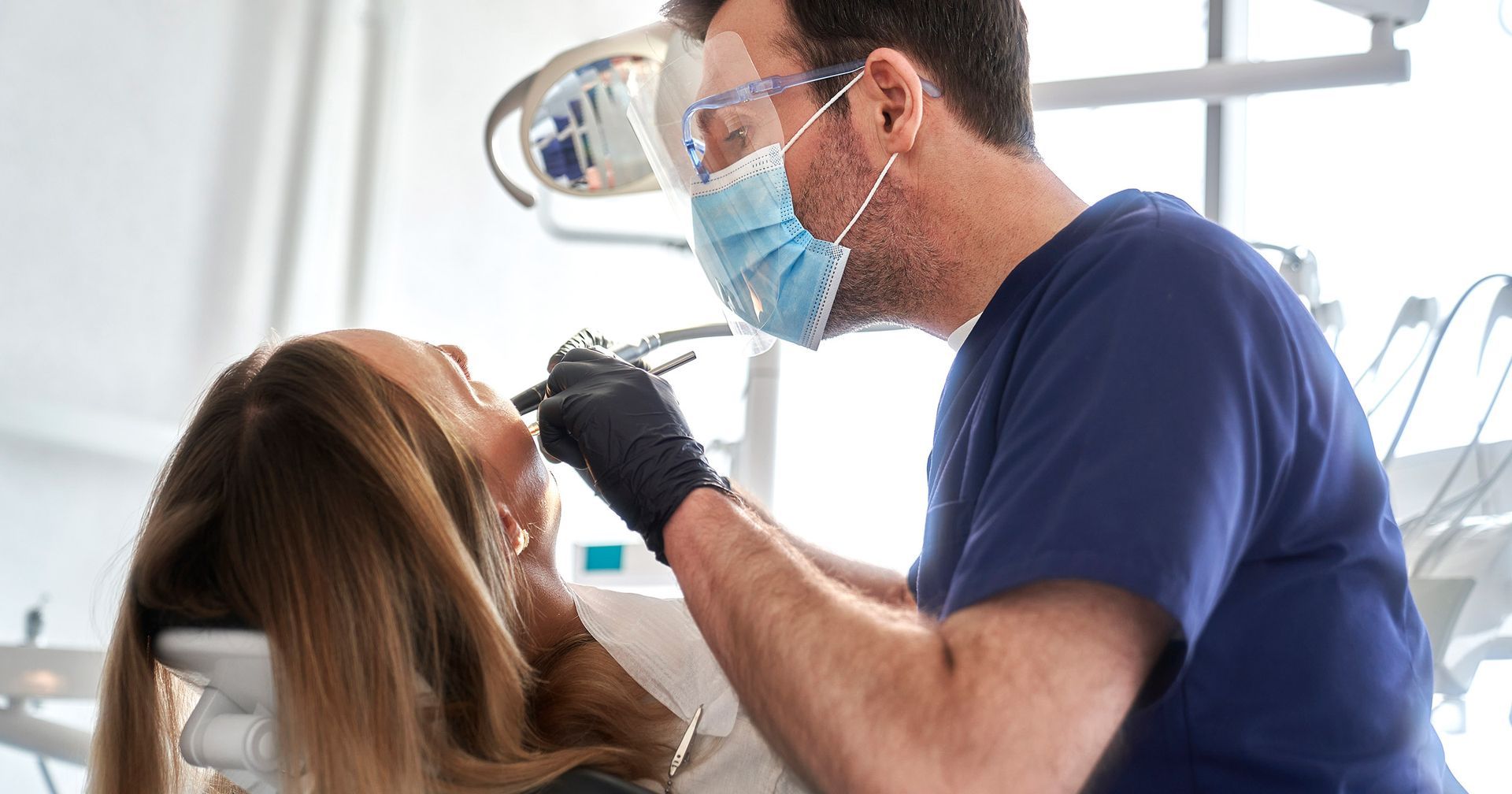



Struggling between saving a tooth and extraction? Learn how modern procedures protect natural teeth with a dentist in Niles, IL.
What do you do if you notice a tooth start to decay? Call a dentist in Niles, IL, to determine what restorative options are available. Root canals can preserve natural teeth, but you may need to extract and replace them with an implant to remove infection.
Did you know that the number of healthy natural teeth you have can affect your life expectancy? Japanese studies predict mortality rates almost twice as high in completely edentulous adults. The number of teeth treated was also an important indicator, showing that timely treatment for decaying teeth is essential.
Can You Stop Tooth Rotting Once It Starts?
Yes, saving damaged teeth doesn't automatically require a root canal or extraction. Look for early signs of decay, such as pain or white spots.
Reversal is possible at the early stages. Fluoride can help protect your teeth from damage. So can changing your diet to reduce how much sweet or sticky food you eat. Also, schedule regular appointments with your dentist in Niles, IL.
They can help reverse decay before it affects the dentin. They may have no other recourse but surgery if a hole appears or the pulp is infected.
How Long Can a Dead Tooth Stay In Your Mouth?
You can technically have a decayed or dead tooth in your mouth for months or even years. It may not even cause you any symptoms.
The longer you wait, the worse it gets. Having a decaying tooth in your mouth can create issues such as:
- Spreading infection or even sepsis
- Bone loss
- Damage to other teeth
- Breakage
Is It Better to Have a Root Canal or an Extraction and Implant?
The choice between a root canal vs. tooth implant depends on several factors. The state and location of the tooth are essential. Your overall health, budget, and long-term goals are also important factors.
Dentists use X-rays and evaluate the damage to decide on the right choice for you. When possible, they'll opt to save natural teeth with a root canal. It preserves bite, maintains bone density, and doesn't require replacement.
Recovery and pain are similar for both procedures, so it's a personal decision.
Root Canal
Don't ignore the signs you need a root canal. Get prompt treatment, and you can save the tooth. These signs include:
- Severe headache
- Prolonged sensitivity
- Tooth darkening
This procedure is one of the most common types of endodontic therapy in Niles because it reaches the pulp. The pulp of your teeth is the innermost layer. It has nerves, blood vessels, and connective tissue. Infection can get in and affect this vulnerable area.
A root canal procedure is not as painful or involved as it used to be. The first step is to numb the area so that you don't feel anything.
Next, the dentist cuts a small opening to reach and remove the infected or damaged pulp. They'll clean and shape the tooth canal, then fill it up when they're done. In most cases, you'll also need to get a crown to cover the tooth to prevent repeat infection.
The entire process takes two or three visits. Recovery takes a few days.
A root canal has a higher initial cost than an extraction with an implant. However, it costs less over time because it restores your natural tooth.
Root canal procedures carry a few risks. They can fail if the dentist doesn't remove all infected pulp. They can also weaken the tooth structure.
Extraction
An extraction can be the only option for restoring natural tooth function when a root canal or other restorative procedure won't work. This typically occurs when teeth are broken below the gumline or after severe infection or bone loss.
It prevents infection from spreading to other teeth or bones and eventually throughout the entire body. It can also help with overcrowding or impaction.
As the name implies, an extraction entirely removes one or more teeth. An implant or titanium screw is one of the most common replacement options, and it's placed where the original tooth was.
This process is completed within a single visit, but recovery can take up to a week. You'll need to follow aftercare instructions such as switching to a soft food diet. Ice packs and gauze can reduce bleeding and pain.
It has a lower initial cost than a root canal, but the overall cost can be higher because implants can be costly.
Tooth extraction risks include:
- Dry socket
- Bone loss in the jaw
- Teeth shifting
- Difficulty chewing or speaking
- Need for future restoration
Frequently Asked Questions
Which Teeth Usually Rot First?
Certain areas of the mouth are more likely to decay than others. The back teeth often decay first. They have deeper grooves that are difficult to clean.
They also erupt early, and children may struggle to brush them.
Wisdom teeth are another issue. They can become impacted, making them almost impossible to clean or requiring extraction to make room for other teeth.
The spaces in between teeth are another place where bacteria tends to multiply because they're difficult to reach. The prevalence of gum disease also shows that the gum line is a problem area. Any decay there can expose teeth to decay.
Should Seniors Get Root Canals?
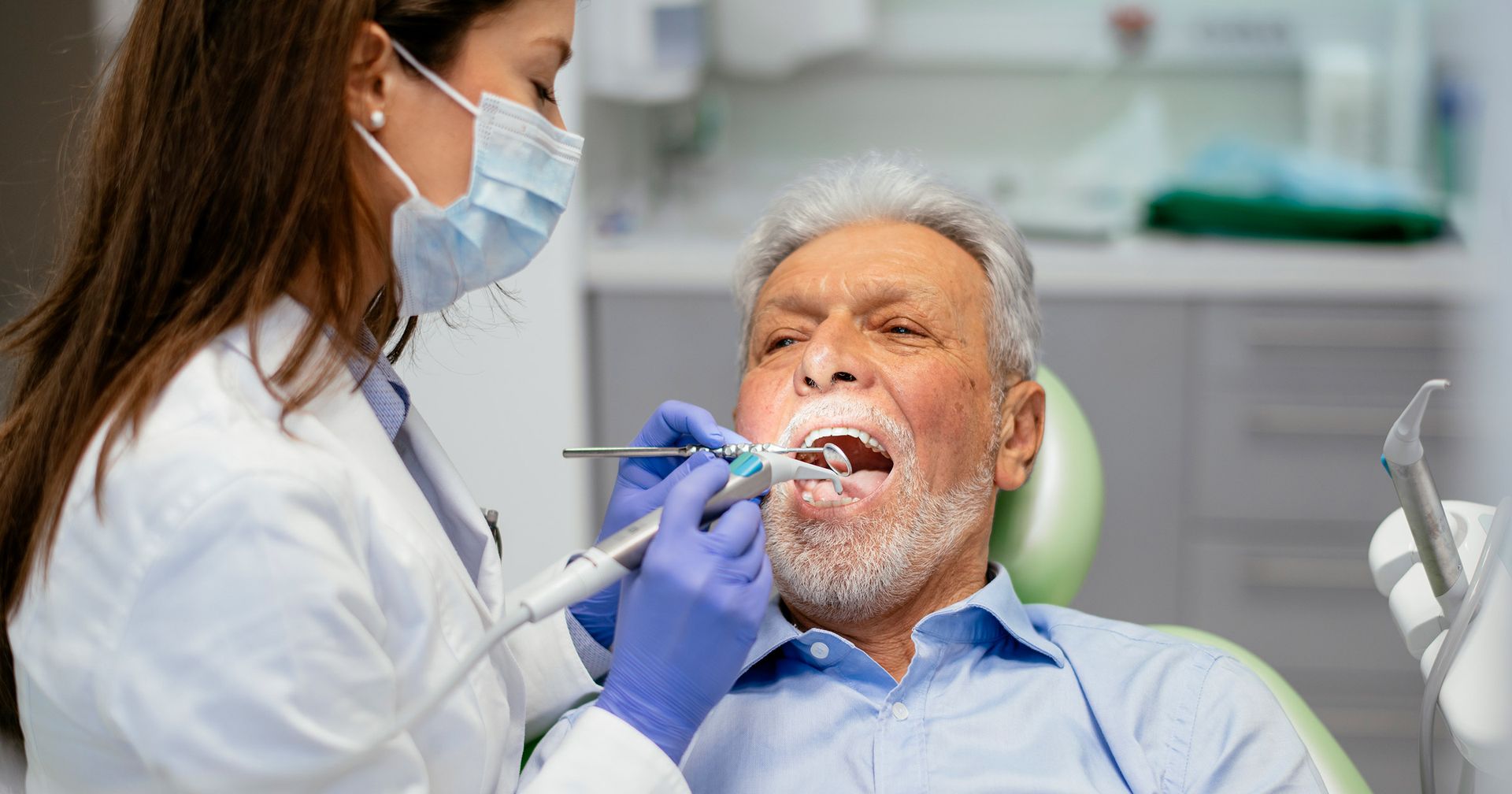
Yes, seniors should get root canals if their dentist determines it's the best choice for preserving their natural teeth. However, the process will be difficult because the canals of senior teeth are complex, calcified, and more difficult to clear out.
Seniors should consider their overall health before agreeing to the procedure. They should also seek care from a specialist.
Preserve Your Natural Teeth with Help From a Dentist in Niles, IL Today
A dentist in Niles, IL can help you choose the right procedure when your natural teeth face decay. A root canal can restore normal function. In more severe instances, extraction followed by an implant to fill the empty space may be required.
At Dental Specialists of Niles, we have experience with even complex dental replacement options. We're committed to effective, comfortable dental care.
We also use holistic dental strategies. Our goal is to improve not only your oral health but also your overall wellness.
Request an appointment today to protect your
natural teeth for a lifetime.