

Don't let missing teeth ruin your nutrition. Discover how restoring your bite with dental implants for seniors protects digestive health. Read our guide now!
Custom crowns, bridges, dentures, and implants are all part of advanced prosthodontics, and it gives seniors back the ability to eat a normal, varied diet. If you've stopped eating entire food groups because of missing or damaged teeth, dental implants for seniors and other prosthodontic options can help fix any nutrient gaps that build up slowly and go unnoticed for years.
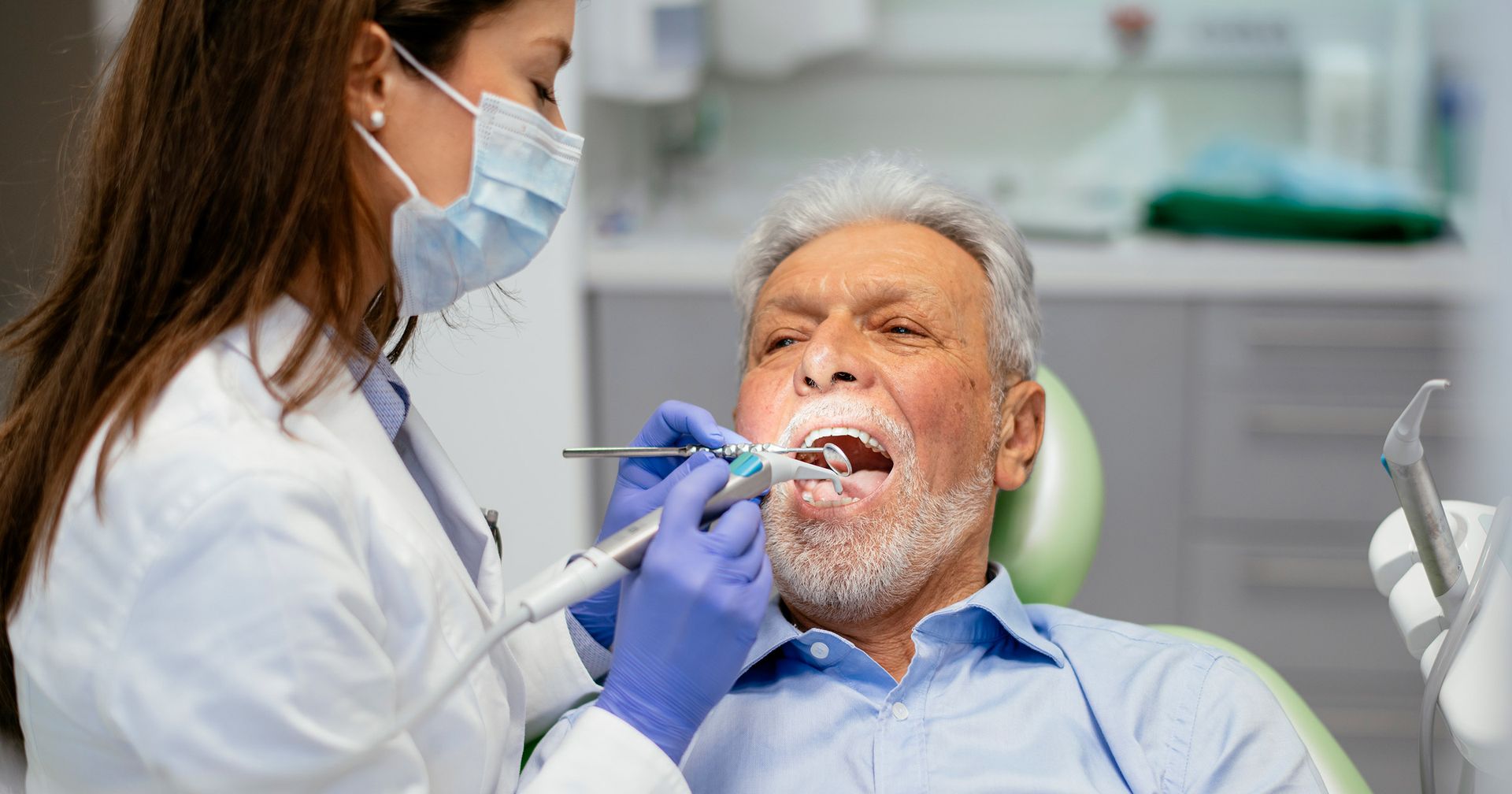
Have you ever been out to dinner with family or friends, only to find yourself ordering something based on what's easy to chew, and not what actually sounds appealing? All too often, seniors are forced to give up foods like meat or have to cut everything they eat into tiny bites, and it's all because of unresolved dental issues. They may not even understand the cause, but a routine dental visit can help pinpoint the exact issues, especially if it leads to malnutrition.
How Missing Teeth Lead to Malnutrition
Chewing might be the first step in eating, but it's also the first step of digestion. Because of this, chewing often dictates which foods seniors might want to eat in the first place.
Once you lose teeth or experience loose teeth, you may avoid chewing anything that hard. For many people, they may not even notice they're doing it.
Some common foods people avoid include:
- Vegetables
- Meat
- Whole grains
People tend to swap these foods with whatever is softest, regardless of the nutritional impact this has on their diet. Following a few simple dental health tips early on can help you catch this shift before it turns into a bigger problem.
When you do this for a year or two, a significant nutritional gap shows up. You may notice deficiencies, simply because the nutrients missing are from the exact foods you stopped eating.
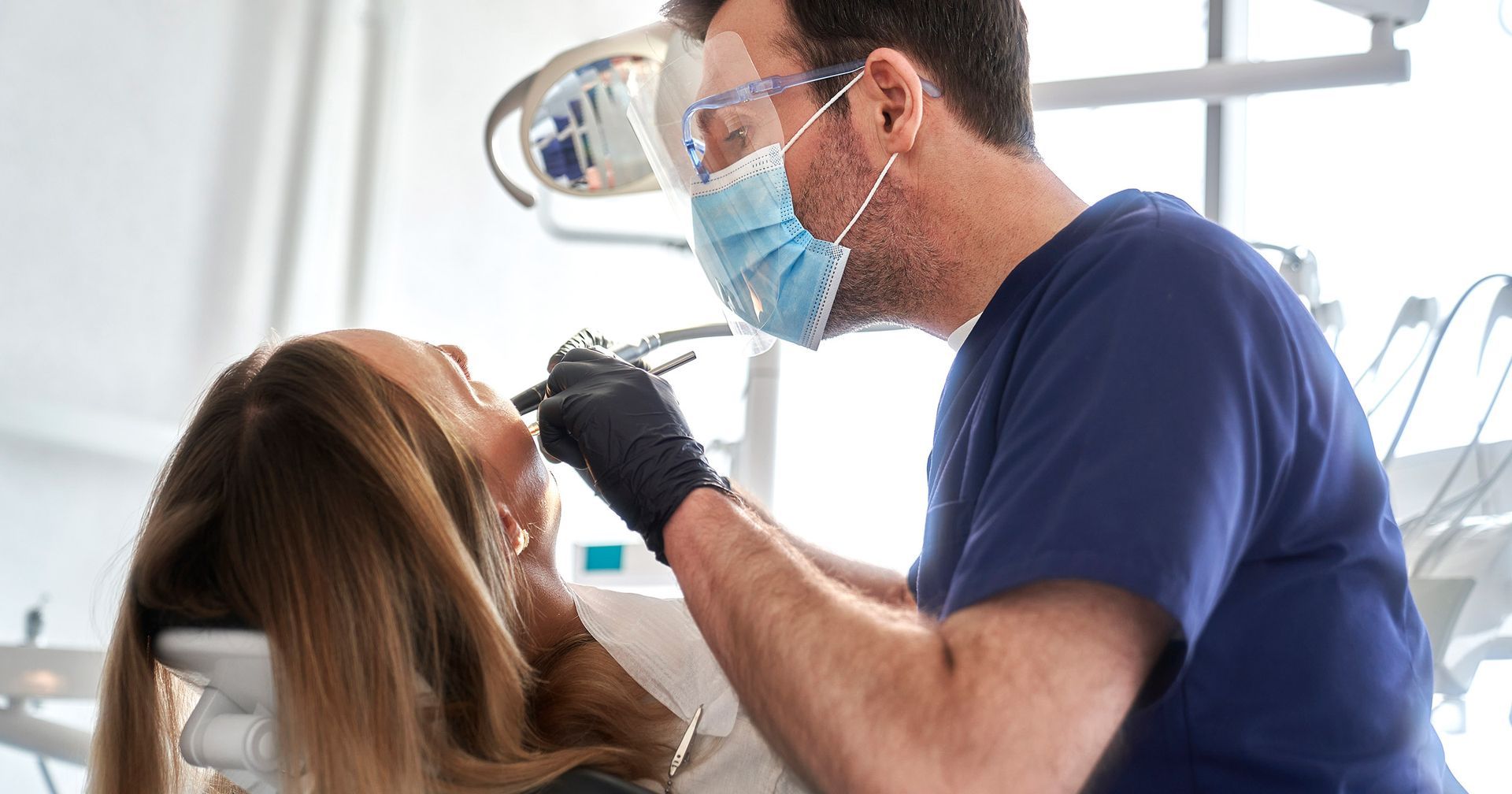
Visit your provider for preventative dentistry. They can catch these issues before they affect your eating habits.
Signs Your Diet Is Being Limited by Tooth Loss
You may not have one clear moment where you realize there is a gap in your nutrition. Instead, you may have small things accumulate over time.
Some things to pay attention to include:
- Avoiding raw fruit, vegetables, or tougher cuts of meat
- Cutting food into tiny pieces before eating it
- Leaning hard on soups, purees, or soft packaged food
- Weight loss or low energy that's hard to explain
- Pain chewing on one particular side
Does any of this sound familiar? If so, it means you may want to see your dentist. Adjusting your menu isn't the best option.
How Advanced Prosthodontics Restores Full Chewing Function
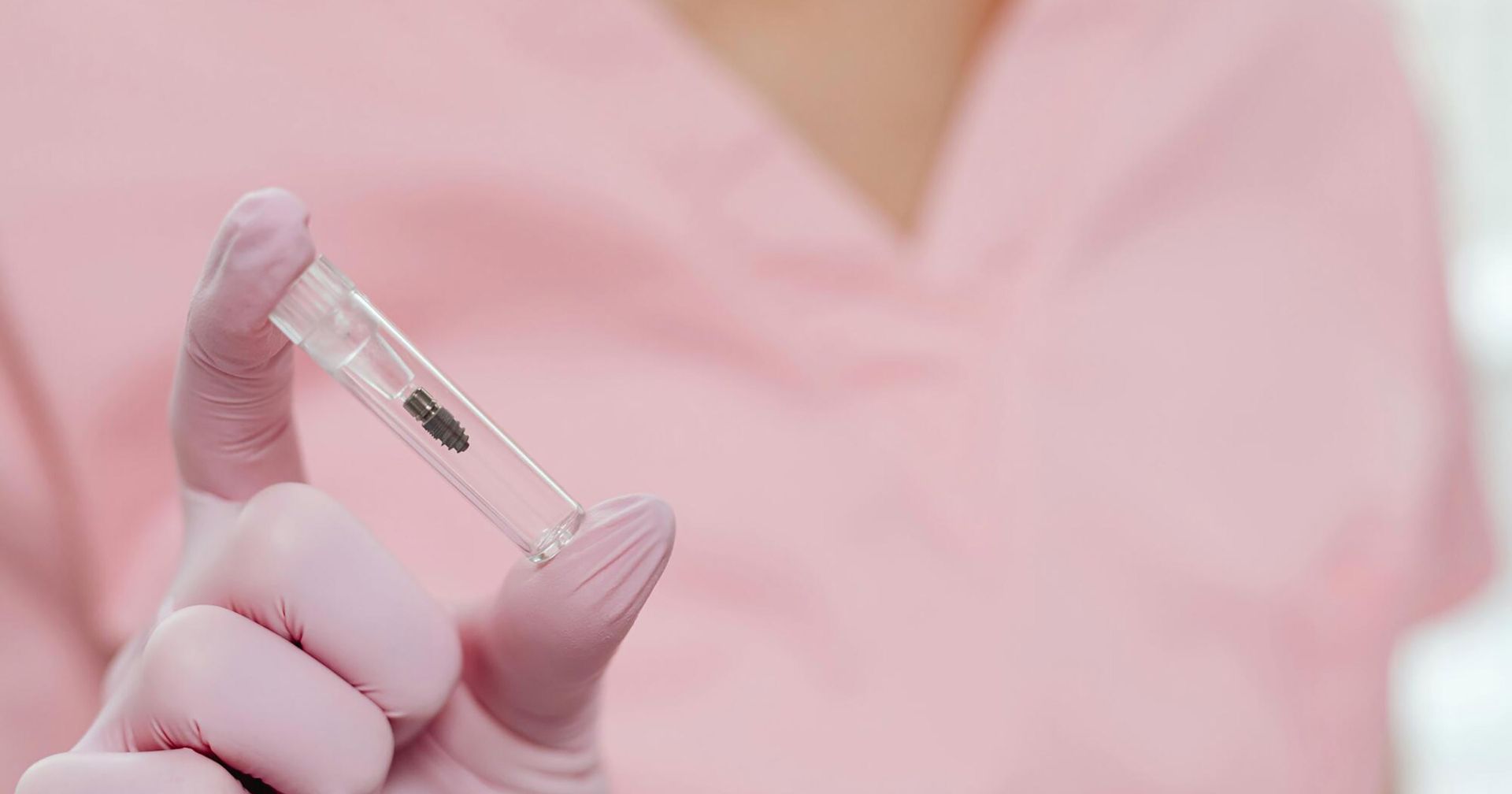
Modern treatment is about more than just filling a gap for seniors. Implants are connected right into the jawbone, so they end up nearly as stable as real teeth. This is exactly why senior dental solutions have expanded so far beyond a simple filling or a basic denture.
Bridges and dentures have come a long way, as well. They're made from better materials and have a tighter fit, which means there is much less slipping and discomfort than the old versions were known for. What you get is a bite that actually holds up to eating real, solid food.
For some people, correcting dental issues is about their smile. But the most important thing is to focus on the nutritional benefits. You want to be able to eat without flinching in pain, or without avoiding entire categories of food out of habit or fear of pain.
Choosing the Right Prosthodontic Treatment for Your Needs
What works depends on how many teeth are gone, the state of your jawbone, and your overall health. One missing tooth might mean you qualify for an implant. Bigger issues and more missing teeth sometimes require a full denture or a mix of dental approaches.
A prosthodontist explains what you need and what will hold up the best over the years, both for chewing and for your daily life.
Cost and timeline should also be factored into the decision-making process. Finding affordable dental care matters just as much as finding the right treatment, and a decent dental provider should explain what's covered and what your out-of-pocket expenses are ahead of time. Always call and ask.
Frequently Asked Questions
Can Missing Teeth Really Cause Malnutrition?
Over time, yes. Once chewing gets hard, people tend to eat softer food with fewer nutritional properties. From there, deficiencies build without anyone noticing it right away.
How Long Does It Take to Adjust to New Dental Implants or Dentures?
It can take a few weeks for most people to adjust. Full dentures can take longer to feel natural. Over time, eating feels normal again as the mouth adjusts to the new fit.
Are Dental Implants Better Than Dentures for Restoring Chewing Function?
When weighing dentures vs implants, implants generally offer a stronger bite force, since they anchor into bone directly. Keep in mind that dentures have improved a lot and are still a great option depending on bone health and what fits your current budget.
Will Insurance Cover Advanced Prosthodontic Treatment?
It depends heavily on the plan and the specific treatment involved. Plenty of providers also offer payment plans, so you should always talk about total cost and financing options during your consultation.
Dental Implants for Seniors Start With a Working Bite
Skipping foods because of missing or damaged teeth isn't just inconvenient -- over time, it can cause significant nutritional gaps, especially for seniors. Always schedule routine dental visits, and if you have any issues with your chewing, including pain or whole food groups you avoid entirely, contact your dentist sooner rather than later.
If you've caught yourself avoiding foods you used to enjoy, Dental Specialists of Niles, P.C., can check your chewing function and discuss whether dental implants for seniors or another prosthodontic option actually fits what you need. Our team also walks you through clear implant care instructions after treatment, so your new smile holds up for years to come. We're devoted to helping you improve not just your oral health, but whole-body health by assisting you with eating the healthy foods you love.
Contact us today to
schedule an appointment or to request a virtual consultation!