


Can you get dental implants with bone loss? Understand your eligibility and consult our specialists for a personalized evaluation today.
Can you get dental implants with bone loss? Surprisingly, in many cases, yes. Modern implant dentistry has gotten incredibly good at rebuilding support where bone has weakened, which means patients who once had zero options may now qualify for long-term tooth replacement solutions.
Here's the interesting part: your jawbone is living tissue. It constantly responds to pressure and stimulation. When a tooth disappears, the bone underneath stops getting signals that tell it to stay strong, so it slowly begins shrinking.
That process sounds dramatic, but advances in implant technology have changed the conversation completely. Recent clinical research published in the International Journal of Implant Dentistry continues showing strong success rates for implants placed alongside modern bone preservation and regeneration procedures.
Bone loss may complicate treatment, but it no longer automatically disqualifies patients from getting implants.
Can You Get Dental Implants With Bone Loss?
Let's answer the big question directly. Can you get dental implants with bone loss? Often, yes, but the answer depends on how much bone remains and where the loss has occurred.
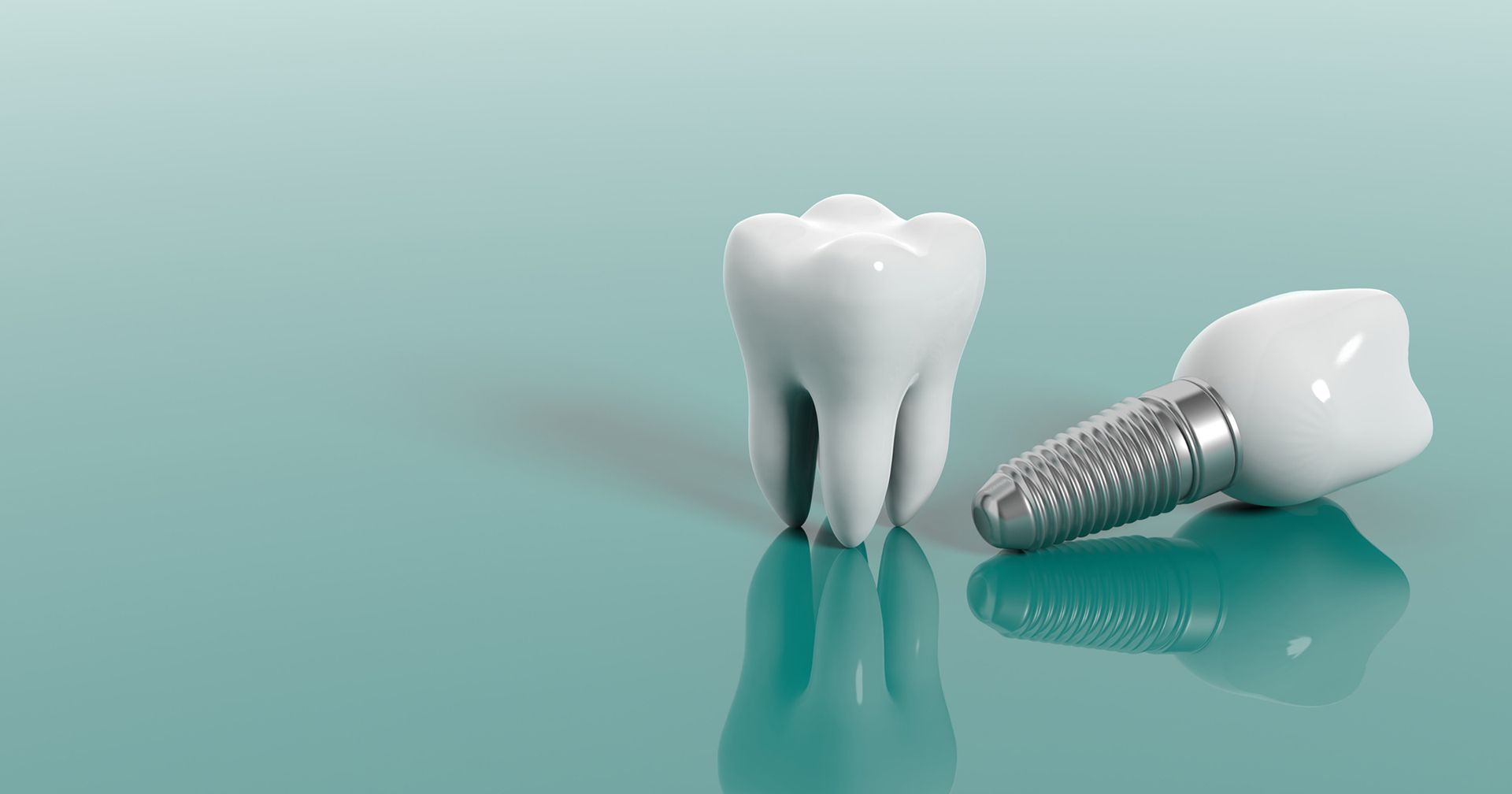
Dental implants need stable jawbone support because the implant acts like an artificial tooth root. If enough healthy bone remains, implants may still work without additional procedures. If not, specialists can often rebuild the area first.
Several factors affect implant placement success, including:
- Amount of remaining jawbone
- Location of missing teeth
- Overall gum health
- Smoking or medical history
- Length of time teeth have been missing
What Causes Jawbone Loss Around Missing Teeth?
This is one of the most common questions patients ask, and honestly, it makes sense because jawbone loss happens quietly.
Most people do not notice it until they begin exploring replacement options years after losing a tooth.
Common causes of jawbone deterioration include:
- Missing teeth left untreated
- Advanced gum disease
- Dental infections
- Trauma or injury
- Long-term denture use
According to the National Institute of Dental and Craniofacial Research, gum disease remains one of the leading causes of bone and tooth loss in adults.
As bacteria damage the surrounding tissue, the supporting bone begins breaking down too.
The longer bone loss continues untreated, the more difficult rebuilding the area can become. That is why timing matters more than many people realize.
What Are the Best Bone Loss Solutions for Dental Implants?
This is where modern dentistry gets fascinating. Specialists now have multiple ways to rebuild lost bone and improve implant stability.
One of the most common approaches is bone grafting for implants. During this procedure, grafting material is added to weakened areas to encourage the body to grow new bone over time.
Other bone loss solutions may include:
- Bone grafting procedures
- Sinus lift surgery
- Ridge augmentation
- Guided bone regeneration
- Zygomatic implants for severe cases
Recent findings published in Applied Sciences continue showing how regenerative procedures and improved implant design are expanding treatment success for patients with compromised bone structure.
How Implant Dentistry Specialists Evaluate Bone Loss
Before any treatment starts, specialists need a very detailed understanding of your jaw structure. That evaluation determines whether implants are possible and what preparation steps may be necessary.
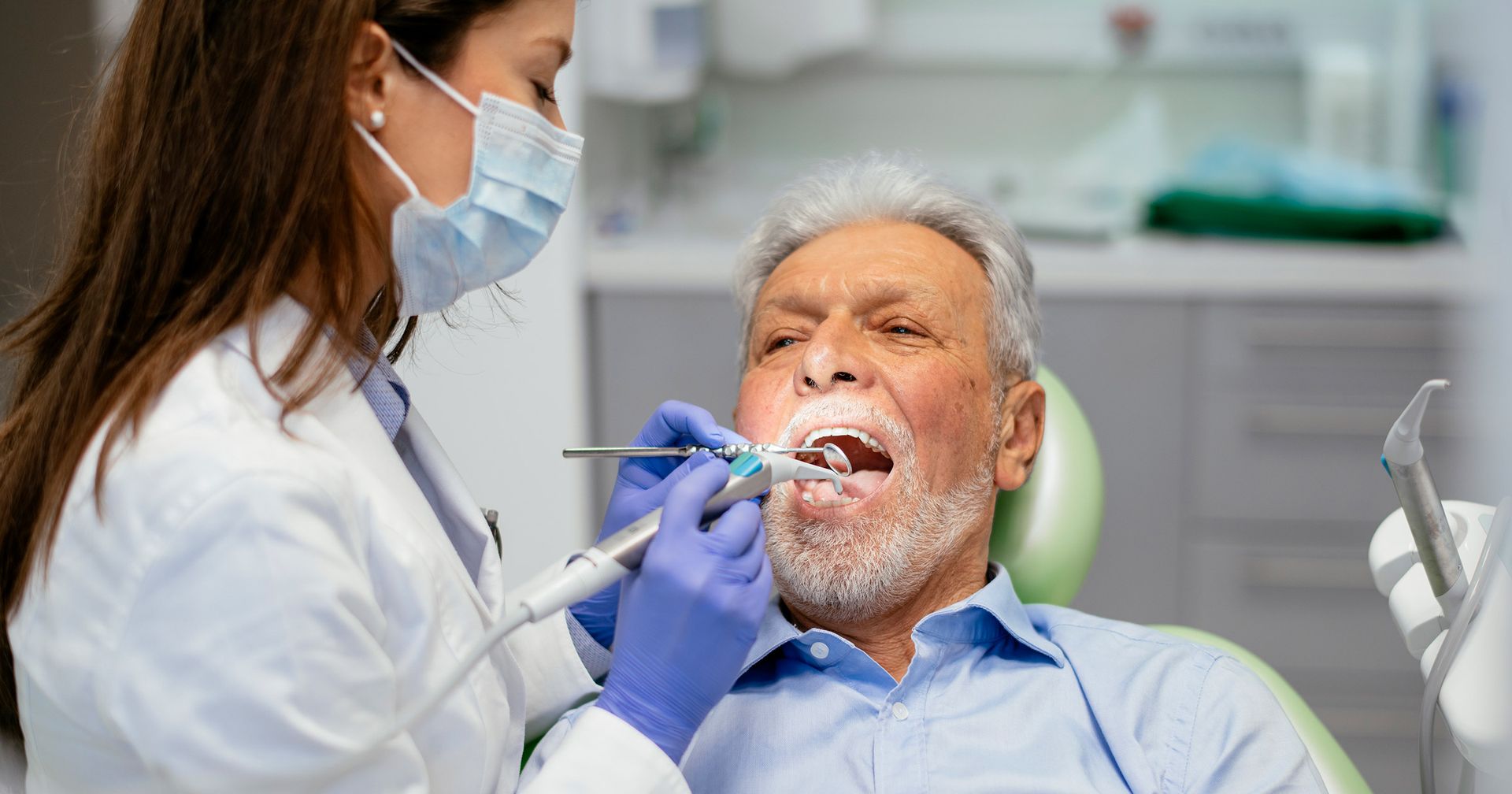
At Dental Specialists of Niles, advanced imaging technology helps providers examine bone density, nerve positioning, sinus anatomy, and overall oral health before creating a treatment plan.
During an implant candidacy evaluation, specialists often assess:
- Bone density and thickness
- Gum health condition
- Bite alignment and jaw function
- Medical history and healing factors
- Long-term treatment goals
Advanced Dental Procedures That Improve Implant Success
Implant treatment has evolved rapidly over the last decade. Procedures that once required major surgery can now often be completed with far more accuracy and less disruption.
Advanced dental procedures used today may include:
- 3D CBCT imaging technology
- Computer-guided implant placement
- Minimally invasive surgical techniques
- Customized implant restorations
- Same-day temporary teeth in select cases
Dental Restoration Options for Severe Bone Loss
Some patients experience advanced jawbone deterioration that requires alternative treatment approaches. Even then, implants may still be possible.
Alternative dental restoration options can include:
- Implant-supported dentures
- All-on-4 implant systems
- Zygomatic implants
- Mini dental implants
- Hybrid restoration systems
These systems are often designed to maximize existing bone while minimizing the amount of grafting required.
Why Early Treatment Matters for Long-Term Oral Health
Bone loss tends to progress over time. The longer missing teeth remain untreated, the more the jawbone continues to shrink.
Eventually, that can affect facial structure, bite stability, and surrounding teeth.
Seeking treatment early may help:
- Preserve the existing jawbone
- Reduce the need for larger grafts
- Improve implant stability
- Shorten treatment timelines
- Protect overall oral health
Earlier treatment often creates simpler and more predictable outcomes.
Frequently Asked Questions
How Much Bone Loss Is Too Much for Dental Implants?
There is no universal cutoff. Some patients with severe bone loss still qualify through grafting procedures or specialized implant systems.
A detailed imaging evaluation helps determine which treatment options are safest and most effective.
Can Bone Grow Back for Dental Implants?
Natural bone regeneration can happen with the help of grafting materials and guided healing techniques. These procedures encourage the body to rebuild support in weakened areas.
Healing timelines vary depending on the size of the graft and the patient's overall health.
Is Bone Grafting Painful?
Most patients describe the recovery as manageable. Local anesthesia and sedation options help keep procedures comfortable during treatment.
Most discomfort comes from healing pressure and swelling, not sharp pain.
Can Gum Disease Affect Implant Success?
Yes. Untreated gum disease can continue damaging bone and surrounding tissue even after implants are placed.
Healthy gums and stable bone are both essential for long-term implant success.
Explore Your Dental Implant Options in Niles, IL
Can you get dental implants with bone loss? For many patients, absolutely. The key is getting a detailed evaluation from experienced specialists who understand how to rebuild and preserve long-term support.
At Dental Specialists of Niles, patients receive advanced imaging, personalized treatment planning, and specialty-level care designed around long-term stability. Dr. Dorothy Anasinski is a board-certified periodontist with more than 20 years of experience and over 5,000 implants placed.
Schedule your consultation today and learn which implant solutions may work best for your situation.